
Moving past intuition
For centuries, people have chosen crystals based on intuition – a feeling of connection, an aesthetic appeal, or a perceived energy. This method is deeply personal and remains incredibly valuable. However, the growing interest in personalized wellness is driving a new wave of crystal exploration, and with it, the emergence of AI-assisted selection tools.
These tools aren't intended to replace that intuitive spark. Instead, they aim to augment it, providing data-driven insights to complement personal resonance. Relying solely on aesthetics can be limiting; a beautiful stone isn't necessarily the right stone for a specific need. Similarly, generalized crystal properties, while helpful, don’t account for individual variations.
The desire for a more tailored approach is understandable. People are looking for solutions that address their unique challenges and goals. AI, with its ability to process vast amounts of information and identify patterns, offers a potential pathway to more precise and meaningful crystal selections. It's about blending ancient wisdom with modern technology.
We’re seeing a shift from simply liking a crystal to understanding how its properties might align with one's specific energetic or emotional state. This isn’t about removing the mystery, but about adding another layer of understanding to an already fascinating practice.
The messiness of crystal data
The core of AI-powered crystal selection lies in data – and that’s where things get complex. Crystal Vaults, for example, offers an extensive crystal encyclopedia, detailing properties and metaphysical attributes. But even resources like this can only scratch the surface. The true nature of a crystal's energy is often subjective and varies based on individual experience.
Standardizing this information is a significant hurdle. While we can objectively measure a crystal's chemical composition and hardness, describing its energetic properties is far more challenging. Anecdotal evidence abounds, and much of crystal lore is passed down through generations, lacking rigorous scientific validation. This makes it difficult for AI algorithms to learn and make accurate predictions.
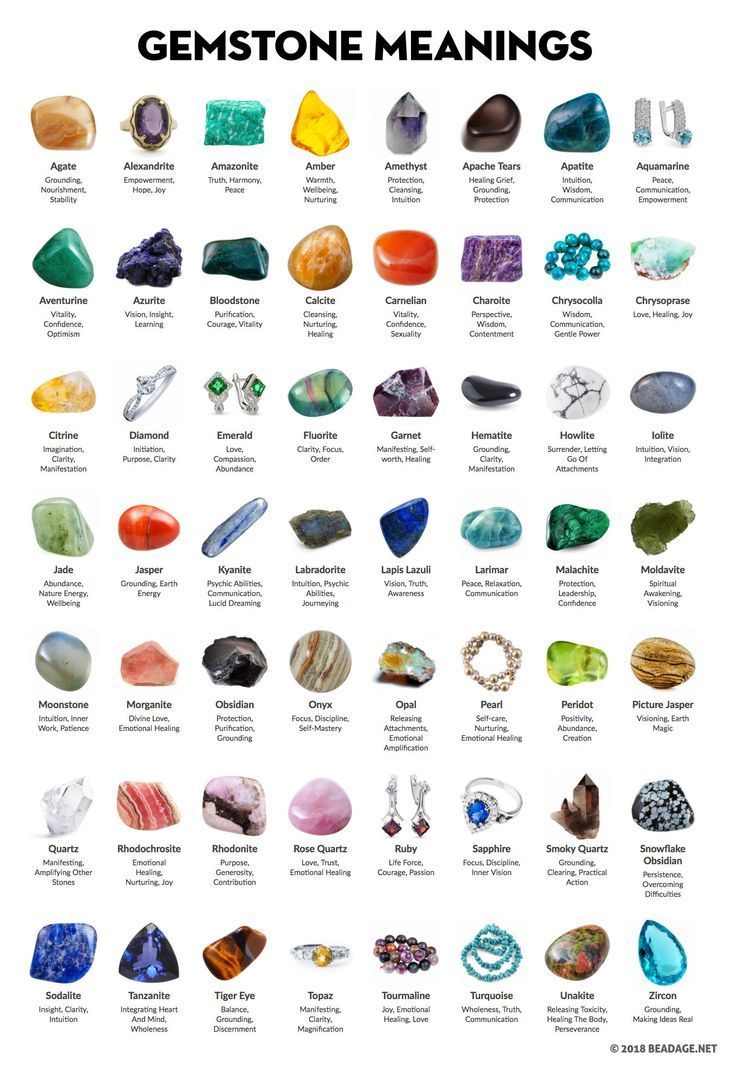
Accurate identification is also a surprisingly difficult task. Contempo Crystals provides a helpful identification chart, but even experts can sometimes struggle to distinguish between similar-looking stones. Subtle variations in color, clarity, and formation can significantly impact a crystal's properties, and AI can help to analyze these visual cues with greater precision than the human eye.
The challenge, then, isn't just about having data, but about quality and context. AI needs reliable, comprehensive information to function effectively, and that requires a concerted effort to gather and organize the vast and often fragmented knowledge surrounding crystals.
AI Techniques: From Image Recognition to Energy Signatures
Several AI techniques are being explored for crystal selection. Image recognition is perhaps the most straightforward. Algorithms can be trained on vast datasets of crystal images to accurately identify a stone based on its visual characteristics – color, shape, inclusions, and more. This is particularly useful for beginners who may struggle with identification.
Beyond visual analysis, researchers are investigating the potential of using AI to analyze biofeedback data. The idea is that different crystals might evoke different physiological responses – changes in heart rate variability, skin conductance, or brainwave activity. AI could potentially analyze this data to determine which crystals are most energetically compatible with an individual.
I'm skeptical about 'energy signatures.' People talk about them like they're measurable facts, but the science isn't there yet. If someone eventually figures out how to quantify these fields, AI would be the perfect tool to map them. For now, it's just a theory.
Natural language processing (NLP) is another promising technique. NLP allows AI to understand and interpret human language. Users could describe their needs – “I'm feeling anxious” or “I need help with creativity” – and the AI could match those descriptions to the relevant crystal properties. This requires a sophisticated understanding of both crystal lore and human language.
What's available right now
The market for AI-powered crystal selection tools is still emerging, but several apps and platforms are beginning to offer some level of assistance. Many of these tools focus on image identification, allowing users to upload a photo of a crystal and receive a suggested identification. Accuracy varies, but it’s a useful starting point.
Some platforms offer personalized recommendations based on user-provided information – birthdate for astrological alignment, current emotional state, and specific goals. However, many of these recommendations are based on pre-defined algorithms and may not be truly "intelligent." They often function as sophisticated databases with a user-friendly interface.
We have to be realistic. These apps aren't psychic. They are just databases with a nice interface. You should treat their results as a starting point for your own research, not a final answer. Your own connection to the stone still matters most.
Currently, I’m seeing a lot of apps that compile existing crystal charts and provide basic property lookups. These are helpful for research, but don't necessarily offer the personalized AI-driven selection promised in the hype. The true potential of AI in this space is still largely untapped.
Crystal Selection Platforms: A Comparative Overview (2026)
| Name | Image Recognition Accuracy | Personalization Features | Crystal Database Size | User Interface Rating (1-5) |
|---|---|---|---|---|
| Crystal Vaults | Generally Accurate for common stones, struggles with variations and inclusions. | Limited; primarily keyword-based searching and categorization by color/chakra. | Extensive – covers a very wide range of crystals and minerals. | 4 |
| Contempo Crystals (Shop App) | Accuracy dependent on image quality; best for clearly defined tumbled stones. | Basic filtering by stone type and intention (e.g., love, protection). | Focused on stones available for purchase within their shop; moderate size. | 3.5 |
| The Crystal Council | Good accuracy with well-lit, clear images; benefits from user-submitted confirmations. | Offers a 'Crystal Profile' quiz to suggest stones based on needs and personality. | Large, with detailed profiles for each crystal. | 4.5 |
| Tiny Rituals | Moderate accuracy; relies heavily on user input to refine identification. | Strong focus on intention-based recommendations; includes guided meditations and affirmations linked to stones. | Moderate – prioritizes commonly used crystals for wellness practices. | 4 |
| Energy Muse | High accuracy, particularly with their own curated stone selections. | Personalized recommendations based on astrological sign and energy needs; offers 'energy healing recipes'. | Large, focused on stones used in their energy healing practices. | 4.5 |
Illustrative comparison based on the article research brief. Verify current pricing, limits, and product details in the official docs before relying on it.
Personalized Profiles: What Data Matters Most?
To deliver truly personalized recommendations, AI systems need to gather information about the user. Birthdate is often used for astrological alignment, linking crystals to specific zodiac signs. Current emotional state is another important factor – are you feeling stressed, anxious, or depleted? What are your specific goals – healing, protection, creativity, or love?
However, collecting this data raises privacy concerns. It’s essential that any platform handling personal information has robust security measures in place. Users should be informed about how their data is being used and have the ability to control what information is collected. Transparency is key.
The ideal system would also allow for user feedback. If a crystal recommendation doesn’t resonate, the user should be able to provide feedback so the AI can learn and improve its suggestions over time. This iterative process is crucial for refining the algorithm and delivering more accurate results.
Beyond basic demographics and emotional state, AI could potentially analyze lifestyle factors – sleep patterns, diet, exercise habits – to provide even more targeted recommendations. But the more data that’s collected, the greater the responsibility to protect user privacy.
- Birthdate (for astrological alignment)
- Current emotional state
- Specific goals like healing or protection
- Lifestyle factors (sleep, diet, exercise)
Where we're headed by 2026
By 2026, we can expect to see more sophisticated image recognition technology, capable of identifying even subtle variations in crystal structure and color. Integration with wearable health trackers is also a likely development. AI could analyze data from these devices – heart rate, sleep patterns, stress levels – to provide real-time crystal recommendations.
AI-powered crystal grids are another possibility. An algorithm could design a grid layout based on the user's specific intentions and the properties of the available crystals. This could streamline the grid-building process and potentially enhance its effectiveness. More realistic, I think, is AI assisting in the selection of crystals for a grid.
Perhaps the most exciting prospect is the potential for AI to help researchers study the effects of crystals more scientifically. By analyzing data from clinical trials and observational studies, AI could identify patterns and correlations that might otherwise go unnoticed. This could lead to a more evidence-based understanding of crystal healing.
However, challenges remain. Algorithmic bias is a concern – if the data used to train the AI is biased, the recommendations will be biased as well. Ethical guidelines are needed to ensure that AI is used responsibly and doesn’t exploit vulnerable individuals. And, crucially, we must preserve the intuitive aspect of crystal work – AI should be a tool to enhance, not replace, human connection.
No comments yet. Be the first to share your thoughts!