

AI meets crystal healing
For centuries, people have chosen crystals based on intuition, a feeling of connection, or generalized meanings found in books and online. It’s a deeply personal process, and for many, that’s exactly how it should be. But what happens when you’re overwhelmed by choice, or unsure where to start? That's where the idea of using artificial intelligence to personalize crystal recommendations comes in.
I don't think AI replaces the spark you feel when you pick up a stone. It's more like a filter. With so many crystals out there, it's easy to get lost in the noise. As more people look to stones for emotional or spiritual support, they need a way to narrow down the thousands of options to the few that actually fit their current state.
We're seeing a shift from broad generalizations – 'rose quartz is for love' – to a more nuanced understanding of how a crystal’s properties might resonate with your specific needs. The goal isn’t to tell you which crystal will magically solve all your problems, but to suggest stones that align with your current energy and intentions. It’s a fascinating intersection of ancient practice and modern technology.
The data problem with subjective feelings
One of the biggest hurdles in applying AI to crystal selection is the difficulty of quantifying crystal properties. Unlike, say, the chemical composition of a substance, the effects of crystals are often reported in subjective terms: emotional healing, increased clarity, spiritual awakening. These experiences, while deeply meaningful to individuals, aren't easily translated into numerical data.
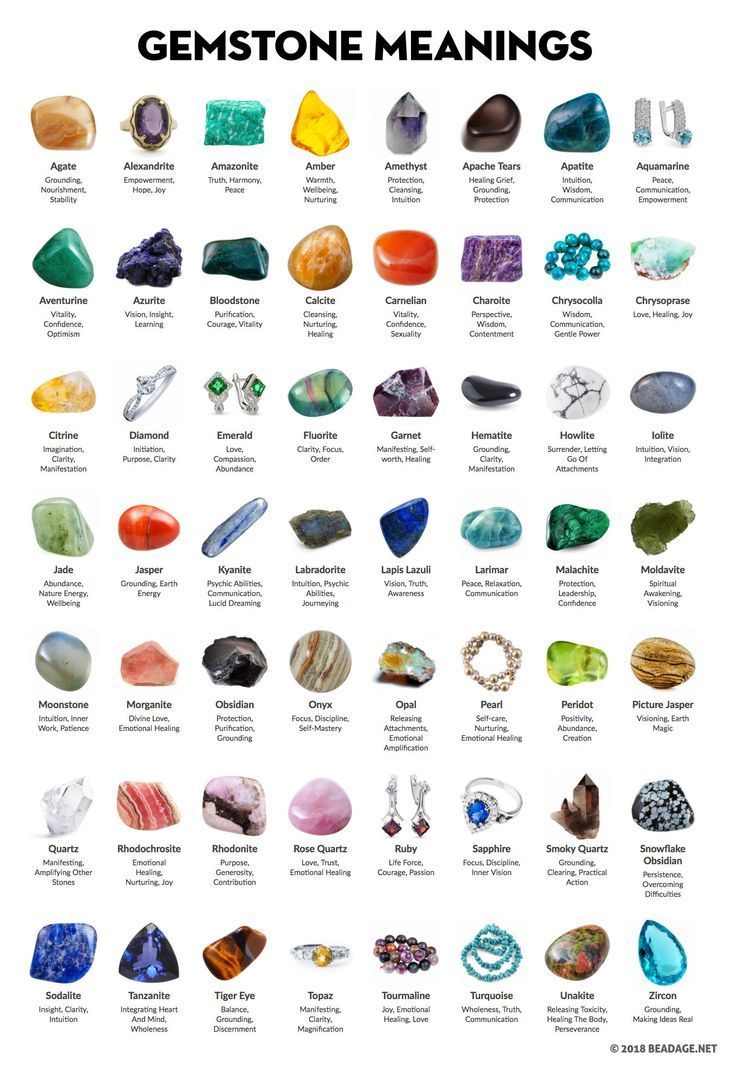
Currently, information about crystal properties is largely gathered from a variety of sources, including websites like newmoonbeginnings.com, which offers a comprehensive A to Z guide to over 250 crystals, and crystalvaults.com, a detailed encyclopedia of crystal energies. Pinterest also plays a role, with numerous charts and infographics summarizing crystal meanings. However, these sources often present differing interpretations and lack standardized measurement.
The challenge lies in converting these subjective experiences into data points that an AI can understand. How do you represent 'calming energy' as a numerical value? Or 'enhanced intuition'? It requires careful consideration and a willingness to acknowledge the limitations of our current understanding. We need a robust database of crystal attributes, going beyond simple keywords and delving into the nuances of each stone’s energetic signature. This is a slow process, reliant on careful observation and data collection.
AI Models for Crystal Matching
Several types of AI models are being explored for crystal selection. Recommendation systems, similar to those used by Netflix or Amazon, are at the forefront. These systems fall into two main categories: collaborative filtering and content-based filtering. Collaborative filtering identifies crystals that people with similar preferences have chosen, while content-based filtering recommends crystals based on their properties and how they align with a user’s stated needs.
Imagine a system where users rate crystals based on their experiences – how a particular stone made them feel, what benefits they observed. The AI could then use this data to identify patterns and recommend crystals to other users with similar profiles. This is the power of collaborative filtering. Content-based filtering, on the other hand, would analyze the crystal's properties – its color, hardness, crystal system, associated chakras – and match it to the user’s desired outcomes.
Natural language processing (NLP) is where this gets interesting. You can tell a tool, 'I'm feeling anxious and need help grounding,' and it translates those feelings into specific mineral properties. It isn't magic or a perfect prediction, but it's better than guessing. I've seen developers combine these language models with preference data to make the suggestions feel less like a generic database search and more like a conversation.
I'm seeing some developers experimenting with hybrid models that combine both collaborative and content-based filtering, leveraging the strengths of each approach. This allows for a more personalized and nuanced recommendation engine.
- Collaborative filtering: This looks at what other people with your taste liked.
- Content-based filtering: This matches a stone's physical or energetic traits to your specific goals.
- Natural Language Processing (NLP): Analyzes user descriptions of desired outcomes.
How to tell the machine what you need
The effectiveness of any AI-powered crystal selection tool hinges on the quality of the user input. The more accurate and honest your self-assessment, the better the recommendations will be. What information will the AI need? A good system will ask about your current emotional state – are you feeling stressed, anxious, joyful, or depleted? It will also inquire about your specific goals – are you seeking healing, protection, clarity, or inspiration?
Providing information about your existing crystal collection is also crucial. This prevents the AI from recommending stones you already have and allows it to suggest crystals that complement your current collection. Preferences regarding crystal shapes and colors can also be factored in. Some people are drawn to the geometric precision of a quartz point, while others prefer the smooth, tactile feel of a tumbled stone. These preferences, while seemingly superficial, can influence your connection to the crystal.
The AI will interpret this input and translate it into relevant crystal properties. For example, if you report feeling anxious, the AI might prioritize crystals known for their calming and grounding energies, such as amethyst or smoky quartz. It’s a process of mapping your subjective experience onto the objective properties of the crystal. I’m not sure exactly how much detail about the specific algorithms is helpful here, but the general flow involves converting your input into data points, matching those points to crystal profiles, and then ranking the crystals based on their relevance.
Beyond the Basics: Considering Crystal Combinations
The real power of AI in crystal work extends beyond individual stone selection to synergistic crystal pairings. Certain crystals work particularly well together, amplifying each other’s energies and creating a more potent effect. AI can analyze the properties of different crystals and suggest combinations that a human might not immediately consider.
This is particularly relevant to the practice of crystal grids, where crystals are arranged in specific geometric patterns to create a desired energetic outcome. AI could assist in grid design by suggesting optimal crystal placements based on the grid’s intention. For example, if the intention is to attract abundance, the AI might recommend a grid incorporating citrine, pyrite, and green aventurine.
The potential for AI to learn from user feedback is significant. By tracking successful (and unsuccessful) crystal combinations reported by users, the AI can refine its recommendations over time. This creates a dynamic system that continuously improves its accuracy and relevance. This feels like a really exciting area for development – a collective intelligence guiding us towards more harmonious crystal practices.
AI-Suggested Crystal Pairings for Common Intentions
| Intention | Crystal Pairing 1 | Crystal Pairing 2 | Synergy Explanation |
|---|---|---|---|
| Stress Relief | Amethyst | Lepidolite | Amethyst is known for its calming properties, while Lepidolite contains lithium, often used to stabilize mood and reduce anxiety. Combining them creates a potent relaxing effect. |
| Love & Relationships | Rose Quartz | Rhodonite | Rose Quartz opens the heart chakra to all forms of love, while Rhodonite encourages emotional healing and forgiveness, making it ideal for strengthening existing bonds or attracting new love. |
| Energy Boost | Carnelian | Sunstone | Carnelian invigorates and motivates, while Sunstone radiates positive energy and optimism. Together, they combat lethargy and promote a vibrant life force. |
| Protection | Black Tourmaline | Obsidian | Black Tourmaline is a powerful shield against negative energies, and Obsidian grounds and protects against psychic attacks. This pairing provides comprehensive energetic defense. |
| Creativity & Inspiration | Citrine | Orange Calcite | Citrine stimulates the imagination and promotes self-expression, while Orange Calcite enhances creativity and encourages playful exploration of new ideas. |
| Grounding & Stability | Hematite | Smoky Quartz | Hematite is strongly grounding and promotes physical vitality, while Smoky Quartz transmutes negative energy and provides a sense of security. They work together to foster stability. |
| Emotional Healing | Rose Quartz | Green Aventurine | Rose Quartz soothes emotional wounds, and Green Aventurine promotes compassion and emotional balance. This combination supports gentle healing and self-love. |
Illustrative comparison based on the article research brief. Verify current pricing, limits, and product details in the official docs before relying on it.
Privacy and ethics in digital spirituality
Using AI in a spiritual practice raises ethical considerations. It’s crucial to avoid overly deterministic recommendations that might undermine a person’s intuition or sense of agency. AI should be a tool for empowerment, not a replacement for inner guidance. Transparency is also paramount. Users should understand how the AI works and what data it’s using to generate recommendations.
Data privacy is another critical concern. How will user data be collected, stored, and used? It’s essential to implement robust security measures to protect sensitive information and ensure that data is not shared with third parties without explicit consent. I feel strongly that we need to be upfront about these issues and prioritize user privacy above all else.
Furthermore, it's important to acknowledge that AI is not infallible. Its recommendations are based on patterns and correlations, not on absolute truths. Users should always exercise their own discernment and listen to their intuition when choosing crystals. The AI should be presented as a helpful guide, not a definitive authority.
No comments yet. Be the first to share your thoughts!