

Crystal Budget: Finding Quality Without the Markup
Shopping for crystals often feels like navigating a casino: the lights are bright, the stories are compelling, and the prices vary wildly for stones that look identical. You do not need to spend hundreds to get a piece that works. The market is flooded with mass-produced, factory-cut stones that undercut artisan quality, but you can still find genuine specimens by focusing on clarity, cut, and source rather than packaging.
The $10–$30 Range: Everyday Essentials
In this bracket, you are buying raw material. Expect natural imperfections, slight color variations, and less precise faceting. This is the sweet spot for beginners building a starter collection. You can reliably find tumbled rose quartz, small amethyst clusters, or black tourmaline specimens here. These pieces are perfect for desk placement or simple meditation practice. The tradeoff is that they may lack the visual "pop" of higher-grade stones, but their metaphysical properties remain intact.
The $30–$75 Range: Clarity and Cut
Moving up in price, you start paying for craftsmanship. Stones in this range often feature smoother tumbles, better color saturation, and fewer inclusions. A clear quartz sphere in this bracket will likely be more transparent and balanced than a $10 alternative. This is also where you find higher-quality raw specimens, such as well-formed fluorite points or larger, cleaner citrine clusters. The investment here buys you durability and aesthetic appeal, making these stones better suited for display or frequent handling.
The $75+ Range: Collector Grade
At this level, you are buying rarity, size, or exceptional clarity. Large, fully transparent quartz points, rare opalized agates, or massive amethyst geodes fall here. These pieces are often sourced from specific, renowned mines. While they hold significant aesthetic value, their functional difference from a $30 stone is marginal for most healing purposes. Buy these only if you appreciate the geology and want a statement piece for your space.


As an Amazon Associate, we may earn from qualifying purchases.
How to Spot Overpriced Crystals
Avoid paying premium prices for "energy-charged" or "blessed" stones unless you are buying from a reputable spiritual practitioner. Most crystals are already energetically active by virtue of their formation. Similarly, be wary of crystals sold in elaborate, expensive packaging. The box does not improve the stone's quality. Always check the return policy and read reviews specifically mentioning the stone's clarity and size accuracy, as photos can be misleading.
Shortlist real options
Crystal works best as a clear sequence: define the constraint, compare the realistic options, test the tradeoff, and choose the path with the fewest hidden costs. That order keeps the advice usable instead of decorative. After each step, pause long enough to check whether the recommendation still fits the reader's actual situation. If it depends on perfect timing, unusual access, or a best-case budget, include a simpler fallback.
| Factor | What to check | Why it matters |
|---|---|---|
| Fit | Match the option to the primary use case. | A good deal still fails if it does not fit the job. |
| Condition | Verify age, wear, and service history. | Hidden condition issues erase upfront savings. |
| Cost | Compare purchase price with likely upkeep. | The cheapest option is not always the lowest-cost option. |
Inspect the expensive parts
High-value crystals like clear quartz points, large amethyst clusters, and polished obsidian spheres carry significant cost. A small flaw can drop the price by half. You need to check for damage before you buy.
Use the following checklist to spot expensive failure points.

Hold the stone to bright light and rotate it slowly. Look for thin white lines or "crazing" that run through the body. These fractures weaken the stone and are hard to see in normal lighting. A stone with internal cracks is worth far less.
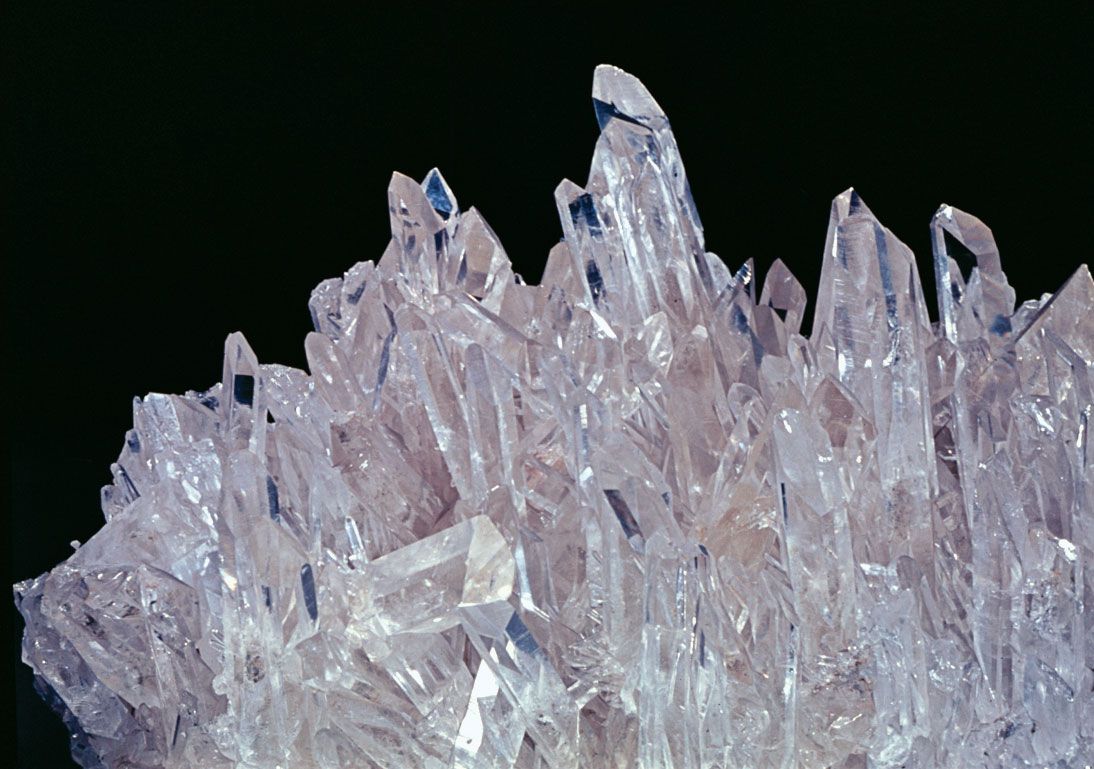
Natural crystals often contain small minerals, moss, or color bands inside them. These inclusions prove the stone is natural. If a large, expensive piece is perfectly clear with no internal features, it is likely glass or plastic. Check for bubbles, which are a dead giveaway for imitation.
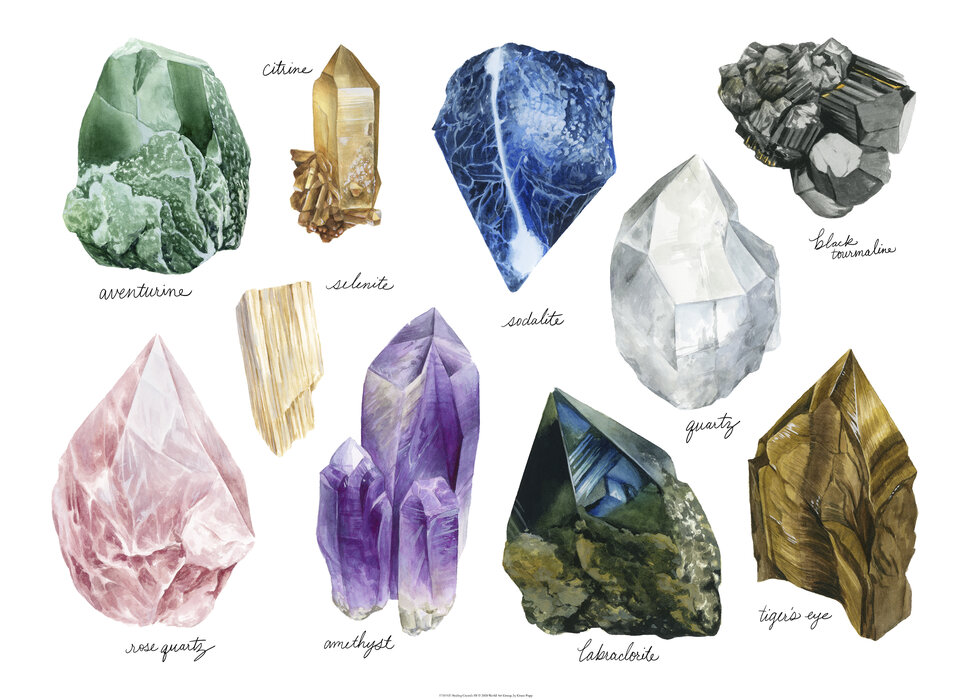
Real stone feels heavy for its size and stays cool to the touch. Glass or plastic warms up quickly in your hand. Pick up the crystal; if it feels light or flimsy, it is likely a lower-quality substitute. This simple physical test helps filter out cheap fakes.
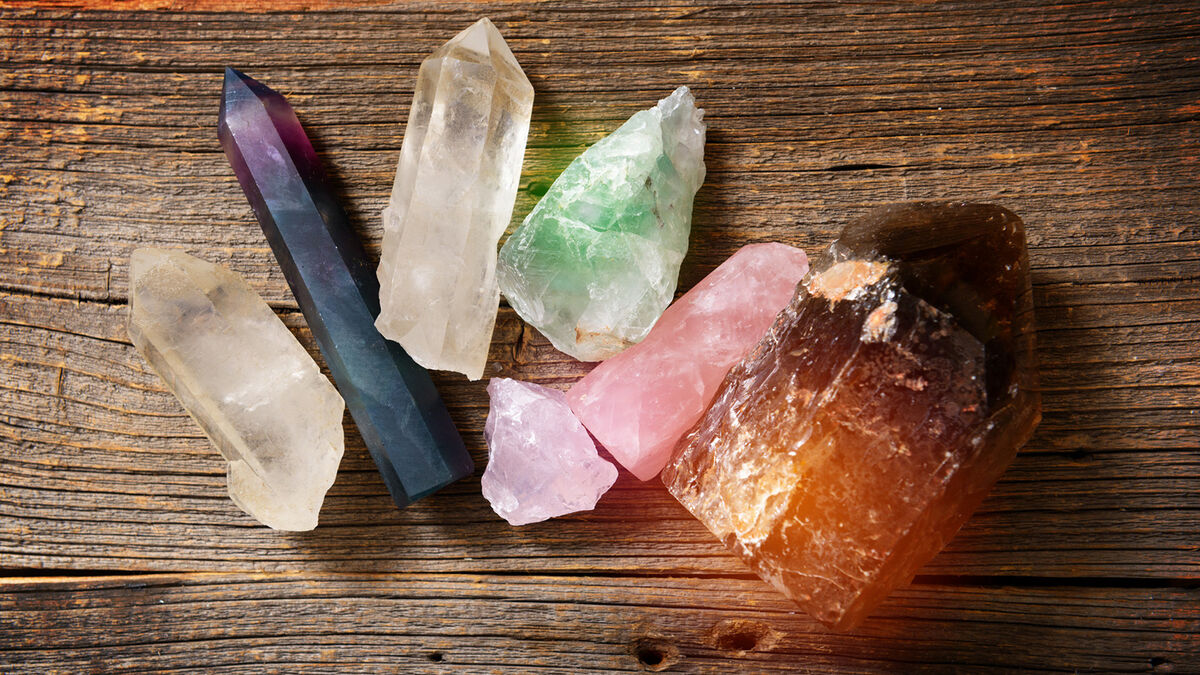
Look closely at the bottom and edges. A genuine polished stone should have a smooth, consistent finish. Rough, uneven, or poorly glued bases often signal a mass-produced item. For tumbled stones, check that the edges are not sharp or chipped.


As an Amazon Associate, we may earn from qualifying purchases.
Plan for ownership costs
Crystals are often sold as permanent fixtures, but treating them like low-maintenance decor ignores the reality of upkeep. A stone that requires weekly cleansing, specific cleaning agents, or careful placement to avoid damage can become a hidden cost that outweighs the initial low price tag. When evaluating a purchase, look past the sticker price and consider the time and tools required to keep the crystal functional and aesthetically pleasing.
Maintenance surprises usually stem from material fragility. Soft stones like selenite or celestite dissolve in water and scratch easily, meaning you cannot simply rinse them under a tap. Harder stones like quartz or tiger’s eye are more forgiving but still require dusting and occasional energy clearing if you follow metaphysical traditions. If you buy a large cluster for display, factor in the cost of a sturdy base or mounting hardware, as many raw stones are unstable on their own.
A cheap buy stops being cheap when it degrades quickly or demands expensive care. A $10 amethyst that cracks after a month or requires a specialized cleaning kit is a poorer value than a $30 citrine that lasts for years with minimal effort. Before buying, check the Mohs hardness scale to gauge durability and decide if the maintenance routine fits your lifestyle. If you want a "set it and forget it" stone, avoid porous or water-soluble varieties entirely.


As an Amazon Associate, we may earn from qualifying purchases.
Crystal: what to check next
Navigating the world of gemstones can feel overwhelming when you are looking for specific properties like healing, protection, or love. These practical questions address the most common hurdles buyers face before adding a stone to their collection.
No comments yet. Be the first to share your thoughts!