


Crystal chart budget
The Crystal Chart works best when the purchase path is explicit. Verify the source, compare the offer against real alternatives, check the total cost, and confirm what happens after payment before you decide. After each comparison, write down the one risk that would change your mind. If the seller, condition, support, warranty, shipping, or upkeep still feels uncertain, resolve that question before moving to checkout.
The simplest way to use this section is to verify the seller, compare the total cost, and resolve the biggest risk before you commit.
Shortlist real options
Use this section to make the The Crystal Chart decision easier to compare in real life, not just on paper. Start with the reader's actual constraint, then separate must-have requirements from details that are merely nice to have. A practical choice should survive normal use, maintenance, timing, and budget. If a recommendation only works in an ideal situation, call that out plainly and give the reader a fallback path.
| Factor | What to check | Why it matters |
|---|---|---|
| Fit | Match the option to the primary use case. | A good deal still fails if it does not fit the job. |
| Condition | Verify age, wear, and service history. | Hidden condition issues erase upfront savings. |
| Cost | Compare purchase price with likely upkeep. | The cheapest option is not always the lowest-cost option. |
Inspect the expensive parts
Use this section to make the The Crystal Chart decision easier to compare in real life, not just on paper. Start with the reader's actual constraint, then separate must-have requirements from details that are merely nice to have. A practical choice should survive normal use, maintenance, timing, and budget. If a recommendation only works in an ideal situation, call that out plainly and give the reader a fallback path.
-
Verify the basicsConfirm the core specs, condition, and fit before comparing extras.
-
Price the downsideLook for the repair, maintenance, or replacement cost that would change the decision.
-
Compare alternativesCheck at least two comparable options before treating one listing as the benchmark.
Plan for ownership costs
Use this section to make the The Crystal Chart decision easier to compare in real life, not just on paper. Start with the reader's actual constraint, then separate must-have requirements from details that are merely nice to have. A practical choice should survive normal use, maintenance, timing, and budget. If a recommendation only works in an ideal situation, call that out plainly and give the reader a fallback path.
The simplest way to use this section is to write down the must-have criteria first, then compare each option against those criteria before weighing nice-to-have features.
Crystal chart: what to check next
Crystals have become a staple of summer wellness routines, but the sheer volume of options can make choosing the right stone feel overwhelming. Before you add a new piece to your collection, it helps to separate marketing claims from practical use.
What is the difference between healing, protection, and love crystals?
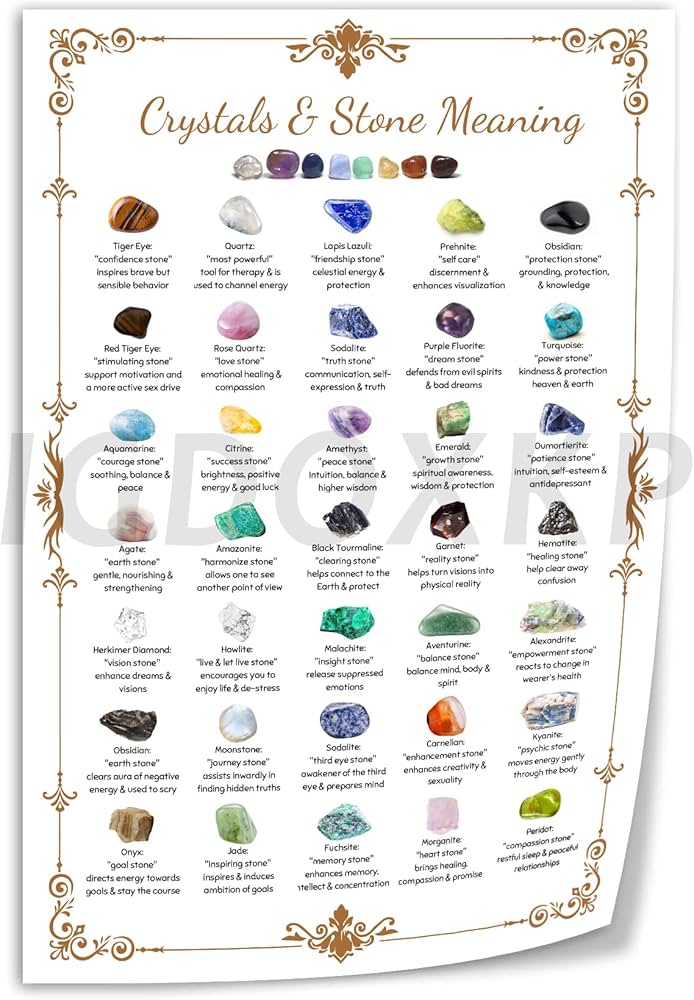
Healing crystals like rose quartz or amethyst are typically chosen for emotional balance and stress relief. Protection stones such as black tourmaline or obsidian are believed to help shield against negative energy or environmental stress. Love crystals, including rhodochrosite or green aventurine, focus on opening the heart and fostering self-love or romantic connection. Many stones overlap in these categories, so your primary intent should guide your selection.
Can crystals really affect my mood or energy?
While there is no scientific evidence that crystals emit healing frequencies, many people find comfort in their tactile presence and the intention behind wearing them. This is known as the placebo effect, where belief in the stone’s power can genuinely reduce anxiety or boost confidence. Think of a crystal as a physical anchor—a reminder to pause, breathe, or set a daily intention rather than a medical device.
How do I cleanse and recharge my crystals?
Crystals are often cleaned to remove accumulated energy, though the method depends on the stone’s hardness and solubility. Soft stones like selenite or celestite can be cleansed with smoke or sound. Harder stones like quartz or jade can be rinsed under running water or placed in moonlight. Avoid harsh chemicals or prolonged sun exposure for delicate stones like amethyst, which can fade. A simple monthly rinse or smudging session is usually sufficient for regular wear.
Are there any crystals I should avoid for summer wear?
Some crystals are too soft for daily summer activity, especially if you’re swimming or sweating heavily. Stones like malachite, fluorite, and opal are porous or fragile and can crack, discolor, or dissolve in water. For active summer days, stick to durable stones like quartz, jade, or hematite. If you prefer softer stones, wear them as pendants or in pockets rather than on wrists or ankles where they’ll encounter more friction and moisture.
Helpful gear
Use these product recommendations as a starting point, then choose the size, material, and price point that fit how you actually use the gear.


As an Amazon Associate, we may earn from qualifying purchases.
No comments yet. Be the first to share your thoughts!