

Climate grief is real
The weight of climate change is heavy. News of extreme weather and ecological shifts is constant, and for many, it has moved past simple worry into climate grief. This is a mix of sadness and anger about what we're losing.
Increasingly, mental health professionals are recognizing and diagnosing these feelings. Terms like 'eco-anxiety' and 'solastalgia' – a feeling of distress caused by environmental change – are entering the mainstream. A 2023 report by the American Psychological Association detailed a significant rise in people reporting climate-related emotional distress, particularly among younger generations. It’s not a sign of weakness to feel overwhelmed; it’s a natural reaction to a deeply unsettling situation.
I want to be very clear: crystal work isn’t meant to replace tangible action on climate change. It's not a magical solution. However, it can be a powerful tool for building personal resilience while we continue to advocate for systemic change. It's about finding ways to cope with the emotional burden so we can sustain our activism and maintain hope. This is about self-care, not escapism. The goal isn’t to ignore the problem, but to navigate it with greater emotional stability.
How grounding works
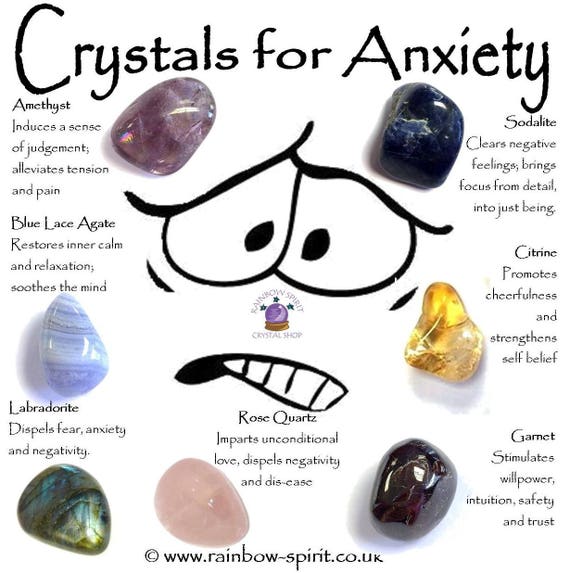
In crystal healing, 'grounding' refers to the process of connecting to the Earth’s energy. It’s about feeling stable, centered, and present in your body. Grounding stones are believed to facilitate this connection, helping to dissipate excess energy and reduce feelings of overwhelm. Think of it like an electrical system—sometimes you need to ground yourself to release a buildup of static electricity.
Climate threats feel abstract until they don't. When the news makes you feel unmoored, holding something tangible helps. Using stones for stability is an old practice, found in both Indigenous traditions and early European history.
The Earth has a natural electromagnetic frequency, often referred to as the Schumann Resonance. Crystals, with their inherent crystalline structures, are thought to interact with and amplify this energy. By working with grounding stones, we’re essentially tuning into that natural rhythm, fostering a sense of connection and stability. It’s a subtle energy, but one that many people find profoundly helpful.
Black tourmaline for protection
Black Tourmaline is often considered the ultimate protective stone. Its primary property is its ability to absorb negative energy, acting like a shield against external influences. This makes it particularly useful for those feeling overwhelmed by the negativity surrounding climate change – the fear, the anger, the despair. It doesn't necessarily fix the problem, but it can help you create a boundary around your own energy field.
You can find Black Tourmaline in various forms: rough, tumbled, polished, and even in matrix (embedded in other minerals). Rough Black Tourmaline is often considered the most potent, as it retains its natural energy. Tumbled stones are convenient for carrying, while polished pieces are aesthetically pleasing. Many practitioners recommend placing a Black Tourmaline near your front door or in areas where you feel energy is stagnant.
I've found that Black Tourmaline can feel heavy. If it makes you feel more anxious instead of less, swap it for a smaller piece or pair it with Smoky Quartz to soften the effect.
Smoky quartz for worry
Smoky Quartz differs from Black Tourmaline in its approach to negative energy. While Black Tourmaline blocks negativity, Smoky Quartz transmutes it. It takes the negative energy and transforms it into positive energy, making it incredibly helpful for processing grief, anxiety, and trauma. This is especially relevant when dealing with the complex emotions surrounding climate change.
Smoky Quartz is also linked to the solar plexus chakra, the energy center associated with personal power, confidence, and self-esteem. By strengthening the solar plexus chakra, Smoky Quartz can help you build inner strength and resilience. It can empower you to take action, even in the face of overwhelming challenges. Different shades of Smoky Quartz – from light golden to deep brown – are believed to have slightly different energies.
Some practitioners believe that lighter shades are more focused on releasing blockages, while darker shades are more grounding and protective. I’m not entirely convinced of a drastic difference, but it’s a common perspective within the crystal community. Regardless of the shade, Smoky Quartz is a powerful ally for anyone struggling with anxiety and emotional overwhelm.
Red jasper and earth connection
Red Jasper is deeply connected to the Earth, promoting stability, vitality, and a sense of belonging. It’s a stone that encourages you to root down, to connect with the physical world, and to rediscover your sense of place. This is crucial when climate change can make us feel disconnected from the natural world, as if the ground beneath our feet is shifting.
Red Jasper’s grounding properties help overcome feelings of disconnection and isolation. It reminds us that we are part of something larger than ourselves, a vast and interconnected web of life. It’s a stone that encourages us to embrace our physicality, to nourish our bodies, and to live in harmony with the Earth.
Historically, Red Jasper has been used in rituals and ceremonies across many cultures. It was believed to enhance courage, strength, and endurance. This stone feels very primal to me—a direct link to the Earth’s ancient energy. It's a reminder of the enduring power of nature and our own inherent resilience.
Hematite as a stabilizer
Hematite is a powerful grounding and balancing stone, known for its ability to absorb negativity and promote emotional stability. Its metallic properties give it a unique energy, and it’s often used to dispel confusion and scattered thoughts. For those feeling overwhelmed by the constant stream of information about climate change, Hematite can be a particularly helpful ally.
It’s believed to strengthen the root chakra, helping you feel more secure and grounded in your body. Hematite is also said to improve focus and concentration, making it easier to stay present and take action. This stone can be especially beneficial for those who struggle with anxiety or feel easily overwhelmed by their emotions.
I’ve noticed some debate within the crystal community about whether Hematite needs to be cleansed as often as other stones. Because of its grounding properties, some believe it doesn’t absorb negativity in the same way, but rather disperses it. While regular cleansing is always a good practice, it may not be as critical for Hematite as it is for more porous stones.
- Rinse the stone under cool water or use a singing bowl to clear the energy.
- Leave the stone on a windowsill during a full moon to reset it.
- Carry or wear for grounding energy.
Integrating other practices
Remember, crystals are tools—powerful ones, but tools nonetheless. Their effects are amplified when combined with other grounding practices. Simply carrying a Black Tourmaline isn’t going to magically solve your climate anxiety. It’s about integrating crystal work into a holistic approach to well-being.
Spending time in nature is perhaps the most fundamental grounding practice. Whether it’s a walk in the woods, a hike in the mountains, or simply sitting in a park, connecting with the natural world can have a profound impact on your emotional state. Combine this with mindful breathing exercises and meditation to deepen your connection to the present moment.
Journaling can also be a powerful way to process your emotions and gain clarity. Writing down your fears, anxieties, and hopes can help you release pent-up energy and develop a more balanced perspective. Consider creating a grounding altar or sacred space in your home—a place where you can connect with your crystals and other grounding objects.
Grounding Stones for Climate Anxiety: A Comparative Guide
| Stone | Primary Chakra | Key Benefit for Climate Anxiety | Ease of Use (1-5, 5 is easiest) | Cleansing Method | Relative Cost |
|---|---|---|---|---|---|
| Black Tourmaline | Root Chakra | Absorbs negative energy and fear, promoting a sense of safety and grounding during times of uncertainty. | 4 | Smudging, running water, sunlight (briefly) | Medium |
| Smoky Quartz | Root Chakra | Dissipates fear and negativity, transforming anxious energy into calm, practical energy for positive action. | 5 | Smudging, moonlight, burying in earth | Low |
| Red Jasper | Root Chakra | Provides stability and strength, encouraging resilience and courage to face difficult emotions related to environmental concerns. | 4 | Running water, sunlight, sound healing | Low |
| Hematite | Root Chakra | Offers strong grounding and protection, absorbing electromagnetic smog and promoting a sense of security. | 3 | Dry cleansing with sound, sunlight (briefly) | Low to Medium |
| Biotite Mica (Rising Star) | Root & Solar Plexus Chakras | Emerging research suggests Biotite’s layered structure assists in releasing deeply held anxieties and promoting emotional stability when facing large-scale issues. | 3 | Moonlight, sound healing, visualization | Medium |
Illustrative comparison based on the article research brief. Verify current pricing, limits, and product details in the official docs before relying on it.
No comments yet. Be the first to share your thoughts!