
What the budget buys
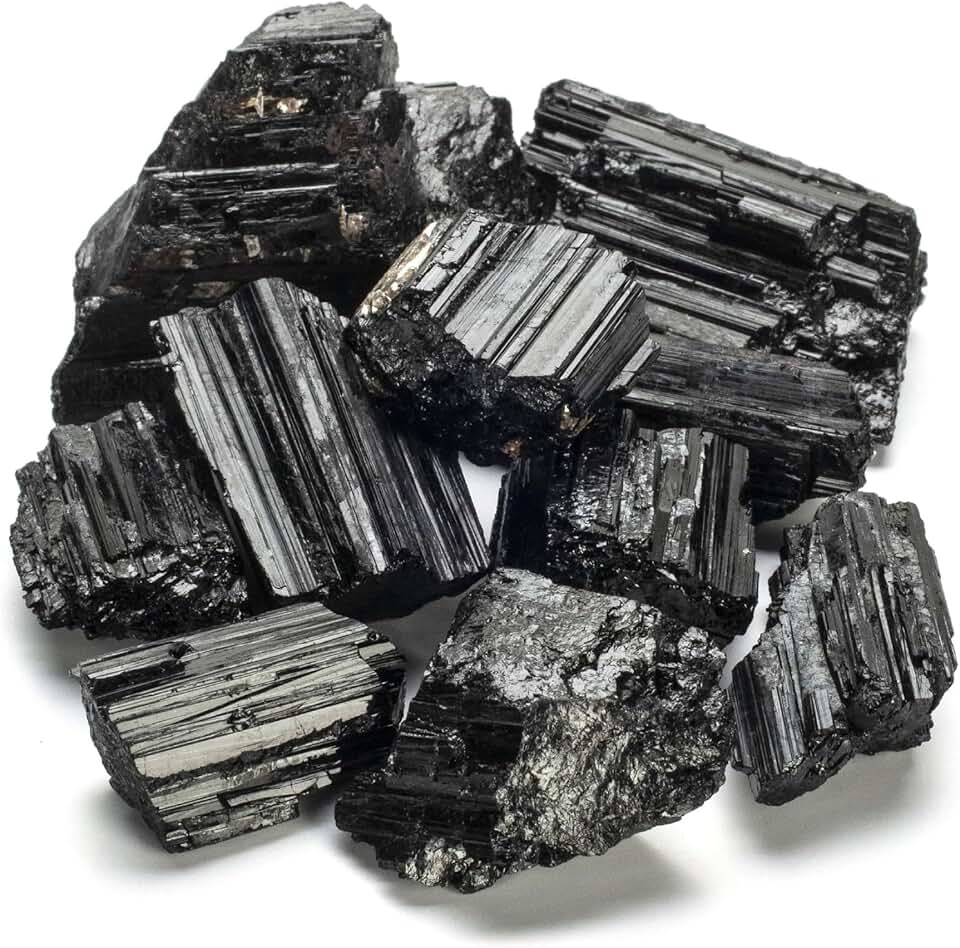
Crystal protection is rarely a binary switch. At the lower end of the price spectrum, you are paying for volume and raw material rather than refined energy density. A $20 tumbled stone like clear quartz or black tourmaline offers a broad, ambient field. It works well for general grounding or filling a room with a baseline shield, but it lacks the focused intensity needed to counteract high-decibel digital EMF clusters or persistent negative energy patterns.
Mid-range options ($30–$60) typically include more specific stones like labradorite or amethyst. These pieces are often better cut and polished, which can make a difference in how you perceive their presence. Labradorite, for instance, is frequently cited for its ability to create a personal shield against digital noise. While not as powerful as a high-grade selenite wand, it provides a more targeted barrier for a home office or workspace.
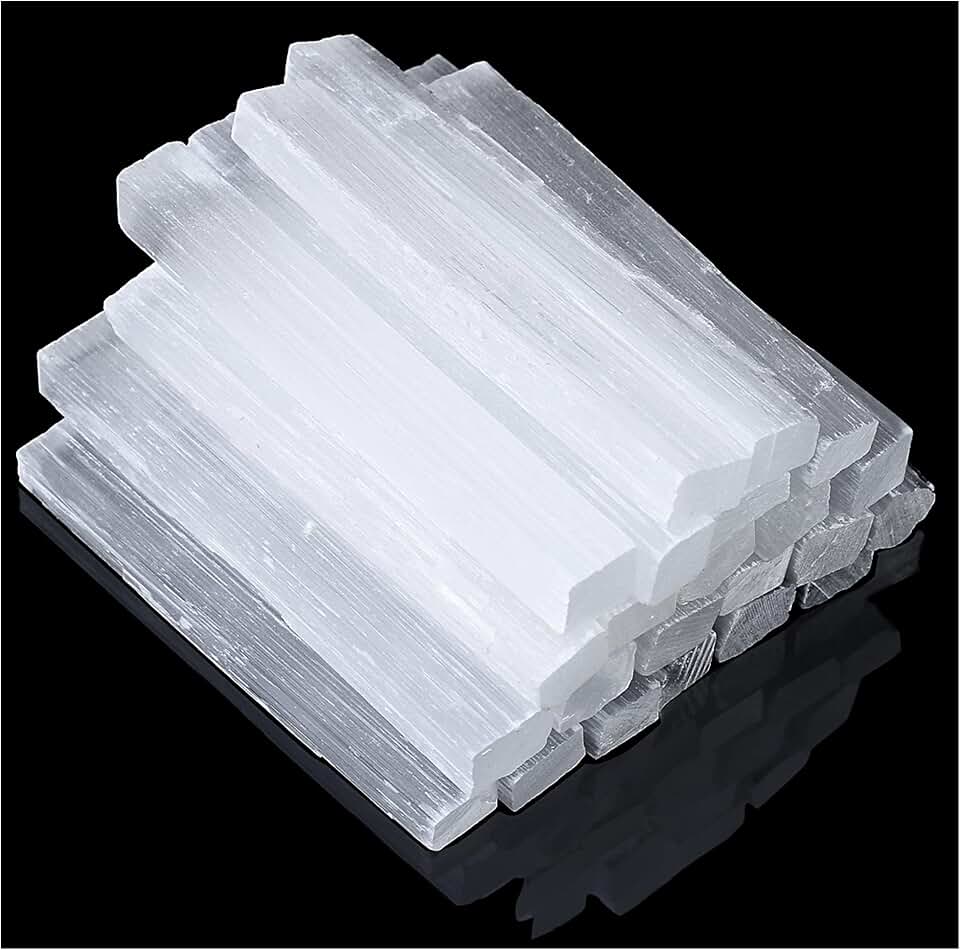
The highest tier ($100+) usually involves large, ethically sourced specimens or rare varieties like high-vibration selenite or large kyanite clusters. These items are less about "buying more protection" and more about longevity and stability. A large, unbroken selenite wand can be recharged indefinitely and placed in a central location to maintain a consistent energetic baseline. However, for most readers, a combination of a few mid-range pieces strategically placed in key areas will yield better results than a single expensive stone left in a corner.
The tradeoff is often between aesthetics and function. A highly polished, decorative piece might look stunning on a shelf but may have been tumbled or heat-treated, which some practitioners believe dulls its protective qualities. Raw, unpolished stones often retain their natural lattice structure, which is essential for EMF mitigation. Check the origin and treatment history when possible. If the seller cannot confirm the stone is natural and untreated, the price tag is likely paying for marketing, not metaphysical utility.

As an Amazon Associate, we may earn from qualifying purchases.
Models worth checking first
Finding the right crystal for digital EMF shielding and negative energy protection requires matching the stone’s traditional metaphysical properties to your specific environment. Not all stones offer the same level of shielding, and some are better suited for emotional grounding while others focus on mental clarity. Below are the strongest options identified for 2026, selected based on their reputation for creating protective boundaries in high-stress or high-tech spaces.
Amethyst: The Mental Shield
Amethyst remains the top choice for neural protection, particularly for those working in front of screens all day. It is traditionally associated with calming the mind and filtering out chaotic energy, making it ideal for office environments or homes with heavy Wi-Fi and device usage. Its violet hue is often linked to the crown chakra, helping to maintain a clear boundary between your internal state and external digital noise. Many users keep small tumbled stones near their workstations to help maintain focus without the anxiety that often accompanies constant connectivity.
Labradorite: The Mirror Stone
Labradorite is frequently recommended for creating a dynamic shield that reflects negativity back to its source. Known as the "stone of magic," it is believed to enhance intuition and protect against psychic attacks or draining social interactions. Its iridescent play of color is often interpreted as a sign of its active protective nature. This makes it a strong candidate for individuals who feel emotionally overwhelmed by their surroundings or who work in high-conflict environments. It acts less like a static wall and more like an adaptive filter, adjusting to the energy it encounters.
Septarian: The Grounding Anchor
Septarian, sometimes called the "dragon stone," is a powerful grounding agent sourced primarily from Madagascar. It is particularly useful for stabilizing energy in spaces that feel chaotic or unbalanced. Unlike stones that focus on mental clarity, Septarian works to anchor your energy to the earth, preventing the feeling of being "spaced out" or disconnected. This is especially relevant in 2026, where the theme of creative focus is paired with a need for neural protection. Keeping Septarian in your workspace can help maintain a sense of stability amidst digital clutter.
Comparison of Protection Styles
The following table compares the primary protective functions of these stones to help you decide which aligns best with your needs.
| Crystal | Primary Function | Best Environment | Energy Style |
|---|---|---|---|
| Amethyst | Mental Clarity & Neural Protection | Home Office & Screen Time | Calming & Filtering |
| Labradorite | Reflection & Psychic Shielding | High-Stress & Social Environments | Dynamic & Adaptive |
| Septarian | Grounding & Stability | Chaotic or Unbalanced Spaces | Anchoring & Stabilizing |
Choosing Your Shield
When selecting a crystal for protection, consider the type of energy you are trying to manage. If your primary concern is mental fatigue from digital devices, Amethyst offers a gentle, continuous filter. For those who feel emotionally drained by their environment, Labradorite’s reflective properties may provide the necessary boundary. If you feel scattered or ungrounded, Septarian’s anchoring energy can help restore balance. It is often effective to layer these stones, using Amethyst for mental focus and Septarian for physical grounding, creating a comprehensive shield against both digital and energetic stressors.


As an Amazon Associate, we may earn from qualifying purchases.
Check before you buy
Use this section to make the Crystal Protection Chart decision easier to compare in real life, not just on paper. Start with the reader's actual constraint, then separate must-have requirements from details that are merely nice to have. A practical choice should survive normal use, maintenance, timing, and budget. If a recommendation only works in an ideal situation, call that out plainly and give the reader a fallback path.
-
Verify the basicsConfirm the core specs, condition, and fit before comparing extras.
-
Price the downsideLook for the repair, maintenance, or replacement cost that would change the decision.
-
Compare alternativesCheck at least two comparable options before treating one listing as the benchmark.
Costs That Change the Math
Buying a crystal is often the cheapest part of the equation. The real expense comes from maintenance, replacement, and the opportunity cost of using the wrong stone for your specific environment. A cheap amethyst that chips or fades after a few months of EMF exposure is more expensive in the long run than a high-quality, sealed piece of labradorite.
Maintenance and Replacement
Crystals are not inert. They require cleaning and recharging to maintain their energetic properties. If you use a stone in a high-traffic digital environment, you might need to cleanse it weekly. This adds time and potentially money for cleansing tools or replacement stones. A high-quality piece might last years, but a porous or low-grade stone may need replacing every few months.
The Hidden Cost of Ineffectiveness
Using a stone that doesn't match your needs is a silent cost. If you buy a generic "protection" stone that doesn't shield against EMF, you're still exposed. You might feel a false sense of security while your energy drains. The cost here isn't just the stone's price; it's the lost productivity and increased stress from an ineffective shield. Always match the stone to the specific threat, whether it's digital radiation or negative social energy.
When Cheap Stops Being Cheap
A $5 crystal might seem like a bargain, but if it's treated with dyes or resins, it can release harmful chemicals or lose its properties quickly. Look for natural, untreated stones. They cost more upfront but offer reliable protection and longevity. The investment in quality pays off in durability and consistent performance.
Common questions about crystal protection for digital EMF and negative energy
Do crystals actually block Wi-Fi signals or cell phone radiation?
Crystals do not function as Faraday cages or physical blockers for radio waves. If you place black tourmaline or shungite on your router, the signal strength remains unchanged. Instead, these stones are used to ground and transmute the subtle energetic vibrations that many people associate with prolonged exposure to digital devices. Think of them as a filter for the atmosphere in the room rather than a shield for the hardware itself.
Which stone is best for shielding against "negative energy" in the home?
For general protection against heavy or chaotic energy, black tourmaline and obsidian are the most reliable choices. They are dense, grounding stones that help absorb and neutralize stagnant vibes. If you are looking for softer protection that promotes peace rather than just blocking negativity, amethyst is a strong alternative. It helps clear mental clutter, which is often what we perceive as "negative energy" after a long day of screen time.
Can I use the same crystals for EMF protection as I do for emotional healing?
Yes, many stones serve dual purposes. Amethyst, for example, is widely cited for both calming anxiety and supporting neural protection in high-tech environments. Labradorite is another versatile option, often recommended for shielding against electromagnetic stress while also enhancing intuition. The key is intention; holding the crystal with the specific goal of creating a protective boundary around your workspace can amplify its perceived effectiveness regardless of the specific stone.
How often do I need to cleanse protection crystals?
Crystals that are actively used for shielding, especially those like black tourmaline or obsidian, can become saturated with absorbed energy. It is best to cleanse them every two to four weeks, or whenever you feel the stone has lost its luster or energetic potency. Simple methods include rinsing them under cool running water (if the stone allows), smudging with sage, or placing them on a bed of selenite overnight. Regular cleansing ensures they remain effective tools for maintaining a balanced environment.
No comments yet. Be the first to share your thoughts!