
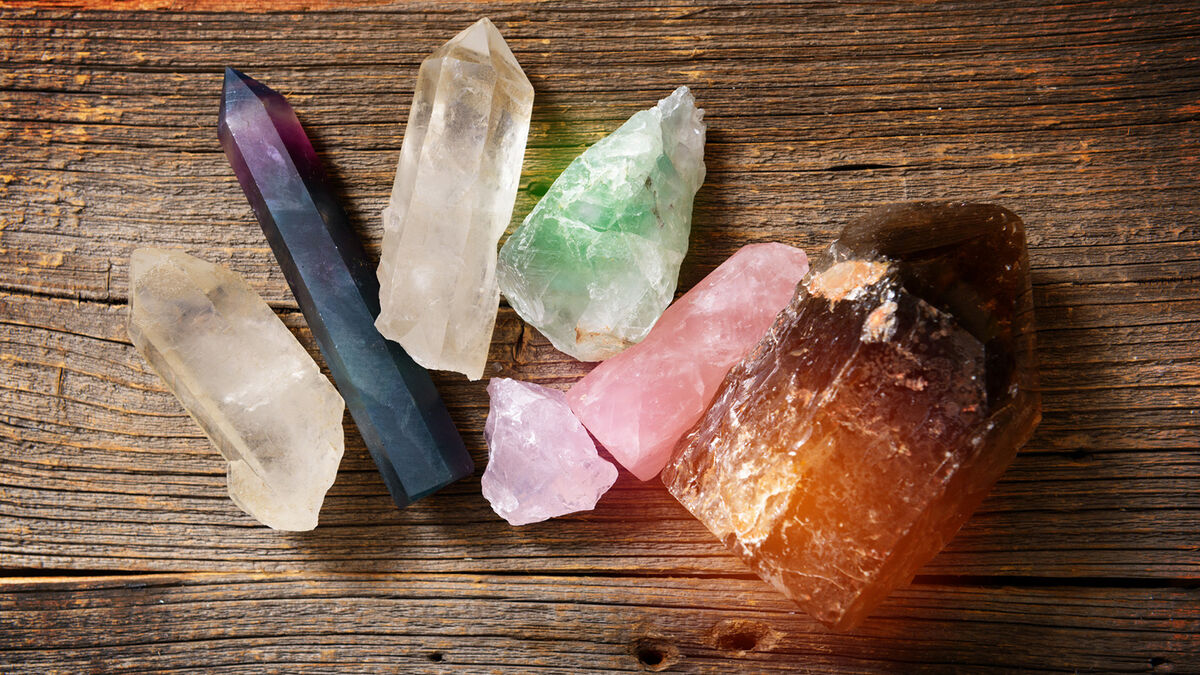

Why you need a crystal reference chart
A physical crystal chart serves as a quick-reference anchor in your home, unlike apps that require screen time. When you hold a new stone, you want to know its properties immediately, not wait for a phone to wake up or load a webpage. This immediacy transforms the object from a passive decoration into an active tool for your daily practice.
Digital apps are convenient for browsing large databases, but they often interrupt the meditative or grounding experience you seek from crystals. A printed chart stays visible on your altar, desk, or nightstand. You can glance at it during a moment of stress or before sleep without breaking your focus or exposing yourself to notifications.
The layout of a good chart also aids in memorization. Many beginners benefit from seeing stones grouped by color, chakra, or common metaphysical properties. This visual organization helps you build a mental map of your collection, making it easier to choose the right stone for specific intentions without searching through hundreds of entries.
By keeping a tangible guide nearby, you remove the friction of learning. You can touch, compare, and read simultaneously. This tactile interaction reinforces the connection between the stone and its meaning, making your practice more intuitive and consistent over time.
How to choose the right crystal chart
Finding a crystal chart that actually helps you identify stones requires looking past the pretty colors. A chart is only useful if you can read it clearly and trust the information on it. When shopping for a new crystal chart, focus on three practical criteria: print quality, the number of stones covered, and visual clarity.
Print quality and durability
A crystal chart is often used as a reference tool, so it needs to hold up to regular handling. If you plan to keep it on a desk or shelf, look for charts printed on thick, matte paper or cardstock. Glossy finishes can create glare under bright lights, making it hard to read the text. For those who want something more permanent, laminated charts resist spills and wear, while framed options protect the paper from dust and fading. Avoid flimsy, thin paper prints that curl or tear easily.
Number of stones covered
Not all charts are created equal, and the variety of stones included matters. Some basic charts only list the most common gems like amethyst, rose quartz, and clear quartz. If you are building a collection or working with diverse minerals, you need a chart that covers a wider range. Look for guides that include at least 20-30 distinct stones, including semi-precious varieties like citrine, tiger’s eye, and labradorite. A comprehensive chart saves you from having to buy multiple separate references.
Visual clarity and layout
The best crystal charts prioritize readability over dense information. Look for designs that pair each stone with a high-quality, accurate color photograph. This is crucial because many crystals come in different shades, and a small, blurry image can lead to misidentification. The layout should group stones logically, perhaps by color or mineral family, with clear, bold headings. Avoid charts with tiny text or cluttered designs that make it difficult to scan quickly. A clean, well-spaced layout ensures you can find what you need without straining your eyes.
Comparison of top picks
To help you decide, here is a quick comparison of the key features for the top-rated crystal charts available.
| Chart Name | Stones Covered | Material | Size |
|---|---|---|---|
| Beadage Crystal Meanings Chart | 25+ | Matte Paper | 11x17 inches |
| Pinterest Printable Crystal Chart | 15 | Digital PDF | 8.5x11 inches |
| Laminated Crystal Guide | 30 | Laminated Cardstock | 11x17 inches |
Top crystal meaning charts to buy
Choosing the right reference guide depends on whether you need a detailed study tool or a quick visual aid for your altar. The best crystal meaning charts combine clear typography with accurate associations, making them easy to read at a glance. Below are specific options that have proven reliable for beginners.
The Best All-Around Crystal Meaning Chart
For most beginners, a comprehensive reference poster is the most practical starting point. The Crystal Healing Properties Chart (54 Crystals) offers a balanced layout that covers the most common stones used in healing practices. With 54 entries, it provides enough variety to be useful without becoming overwhelming. The 18x12-inch size is large enough to read from across a room but small enough to fit on a standard desk or shelf. The frame-style design protects the paper from dust and handling, which is important for a reference item you will touch often. It serves as a sturdy foundation for learning the basics of crystal properties.
Best Portable Crystal Reference
If you prefer to carry your reference with you or need something that fits in a small journal, a pocket-sized cheat sheet is a better fit. These charts often focus on the top 10-15 most popular crystals, prioritizing clarity over volume. Look for versions printed on thicker cardstock or laminated material, as they will withstand being handled during meditation or shopping trips. While they lack the depth of a full poster, they are excellent for quick look-ups when you are identifying a stone you just found or bought.
Best Framed Crystal Chart for Display
For those who want their reference guide to double as decor, a framed crystal meaning chart integrates well into bedroom or living room aesthetics. These versions often use softer color palettes and elegant fonts that blend with home interiors. The frame itself adds a layer of protection, preventing the paper from curling or fading. This option is ideal if you plan to keep the chart in a high-traffic area where you might frequently check meanings. Ensure the frame size matches your wall space, as larger charts can dominate a small room.

As an Amazon Associate, we may earn from qualifying purchases.
Using your Crystal Chart for healing and protection
Your chart is most effective when you treat it as a quick reference guide rather than a complex textbook. When you hold a stone, glance at the chart to confirm its specific intention. This simple act anchors your focus, turning a passive object into an active tool for mindfulness. Whether you are seeking calm or clarity, matching the stone to the chart’s description helps you set a clear intention before you begin.
For protection, look for stones like Black Tourmaline or Obsidian on your chart. These are traditionally associated with grounding and shielding against negative energy. Place them near entryways or carry them in your pocket during stressful days. The chart serves as a reminder of their purpose, reinforcing your mental boundary without requiring complex rituals.
When focusing on love or emotional healing, Rose Quartz and Rhodonite are the primary choices listed on most beginner charts. Keep Rose Quartz on your nightstand to encourage restful sleep and emotional balance. Use Rhodonite during moments of frustration to help release tension. By keeping the chart nearby, you can quickly identify which stone supports your current emotional state, making your practice intuitive and responsive.
Care and Maintenance for Your Crystal Chart
Keeping your crystal chart clean and legible ensures it remains a reliable reference for years. Because most charts are printed on paper, cardstock, or laminated material, they require gentle handling to prevent fading, warping, or tearing. Treat your chart like a field guide: store it flat when not in use, and avoid exposing it to direct sunlight or high humidity, which can cause colors to wash out or paper to curl.
If your chart is laminated, wipe it down with a dry microfiber cloth to remove dust and fingerprints. For unsealed paper or cardstock charts, use a soft, dry brush or a can of compressed air to lift debris from the surface without rubbing the ink. Never use liquid cleaners, alcohol, or abrasive sponges, as these will smear the text and damage the print quality.
To protect your investment, consider storing the chart in a clear, archival-safe plastic sleeve or a large portfolio folder. This shields the surface from scratches and accidental spills. If you plan to use the chart frequently for study or meditation, investing in a high-quality, laminated version or a framed print will offer the best long-term durability.
Frequently asked questions about crystal charts
How do I use a crystal chart for identification?
A crystal chart helps you identify stones by matching visual traits like color, transparency, and shape. Look for a photo-filled identifier that includes common minerals to compare against the stone in your hand. This visual matching is often more reliable than trying to remember abstract properties alone.
Are crystal meaning charts accurate?
Charts provide general associations for stones like amethyst or citrine, but meanings are not scientifically proven. They serve as a starting point for personal exploration rather than medical or factual guidance. Use the chart to find stones that resonate with your current interests, not as a definitive rulebook.
What is the best way to start learning with a chart?
Start with a comprehensive guide that covers over 50 common crystals. Focus on one or two stones at a time, such as quartz or fluorite, to learn their basic properties. Building a small collection based on the chart allows you to handle the stones and see their physical traits up close.
No comments yet. Be the first to share your thoughts!